Some Bulldog Sounds Make Us Smile. Others Deserve Our Attention.
Living with an English Bulldog means living with a soundtrack unlike any other.
There's the contented snore after a long walk, the happy snort when dinner is served, and the unmistakable grumbles that somehow become part of everyday life. For many owners, those sounds are simply part of the breed's irresistible personality.
But sometimes they're something more.
Noisy breathing can also be a sign that a Bulldog is working much harder than it should for every breath.
That's why recent news about an experimental treatment called Snoretox-1 has captured the attention of veterinarians and Bulldog owners alike. While the research is still in its earliest stages, it represents something many people have been hoping for: another potential tool for helping Bulldogs breathe more comfortably.
The treatment itself may still be years away—if it ultimately proves successful—but the research highlights a much bigger story.
Veterinary medicine continues to invest in improving the health and quality of life of brachycephalic breeds like the English Bulldog.
That's news worth celebrating.
At a Glance
What's New?
Researchers are studying an experimental injectable treatment called Snoretox-1 that may help improve breathing in some dogs affected by Brachycephalic Obstructive Airway Syndrome (BOAS).
Is It Available?
No. The treatment remains experimental and requires much larger clinical studies before it could become widely available.
Why It Matters
The research reflects a growing commitment within veterinary medicine to finding new ways to improve the lives of Bulldogs and other flat-faced breeds.
Why Breathing Matters So Much for English Bulldogs
The English Bulldog's distinctive appearance is one of the reasons the breed is loved around the world.
Their broad head, short muzzle, expressive wrinkles, and unmistakable profile make them instantly recognizable.
Unfortunately, those same physical characteristics can also create challenges.
Many English Bulldogs experience some degree of Brachycephalic Obstructive Airway Syndrome (BOAS)—a condition caused by narrowed upper airways that can make breathing more difficult.
Signs may include:
- Loud snoring
- Noisy breathing while awake
- Heat intolerance
- Difficulty exercising
- Frequent panting
- Gagging or retching
- Poor sleep quality
- Slow recovery after activity
Some Bulldogs experience only mild symptoms throughout life. Others require medical management or corrective surgery.
When Is Snoring More Than Just Snoring?
One of the biggest misconceptions about Bulldogs is that struggling to breathe is simply "normal."
While many Bulldogs naturally make more respiratory noise than other breeds, breathing should never appear labored.
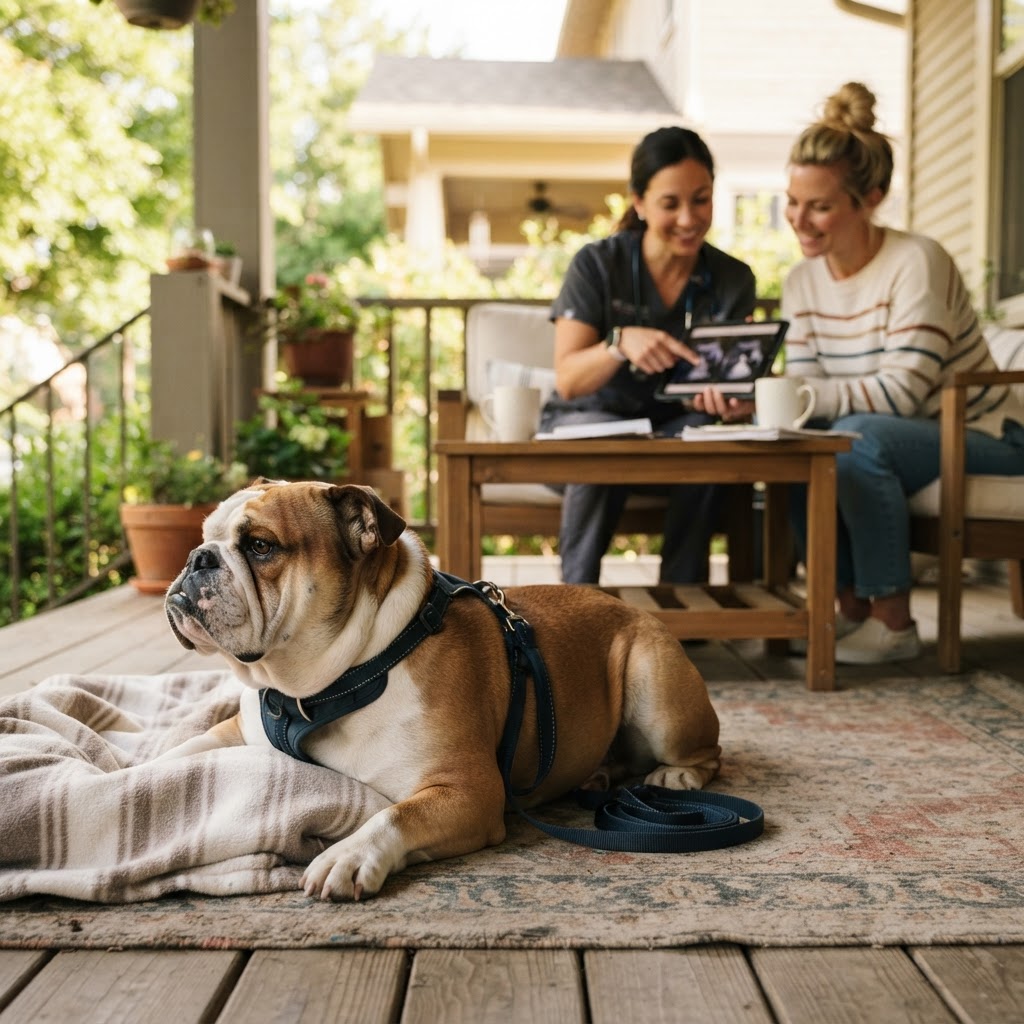
If your Bulldog tires quickly, struggles during warm weather, pants excessively after minimal activity, breathes heavily while resting, or seems unable to get comfortable — it's worth discussing those changes with your veterinarian.
Early intervention often leads to better long-term outcomes.
How BOAS Is Treated Today
Veterinarians already have several proven ways to help Bulldogs breathe more comfortably.
Maintaining a Healthy Weight
Even a few extra pounds place additional strain on an already compromised airway.
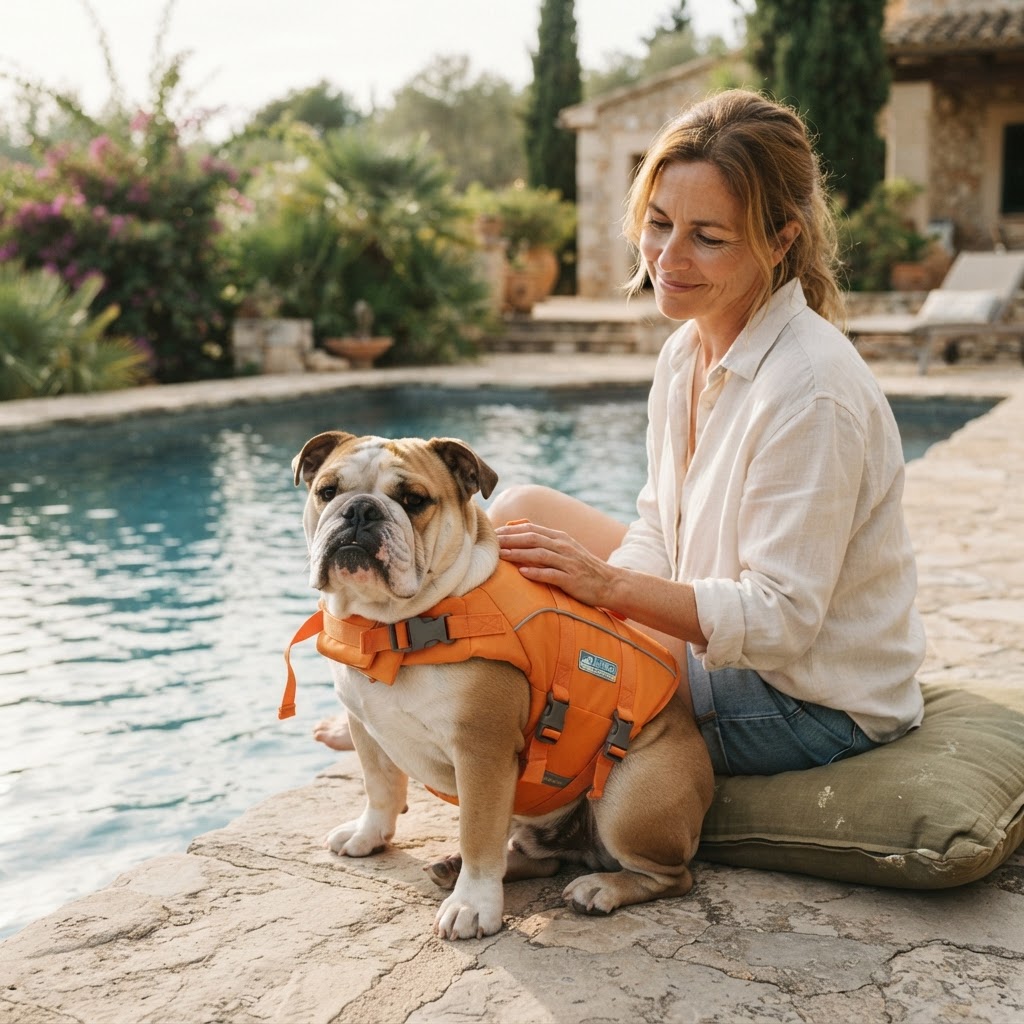
Managing Heat
Hot, humid weather makes breathing significantly harder for Bulldogs. Walking during cooler parts of the day and avoiding excessive heat remain some of the simplest ways to protect your dog.
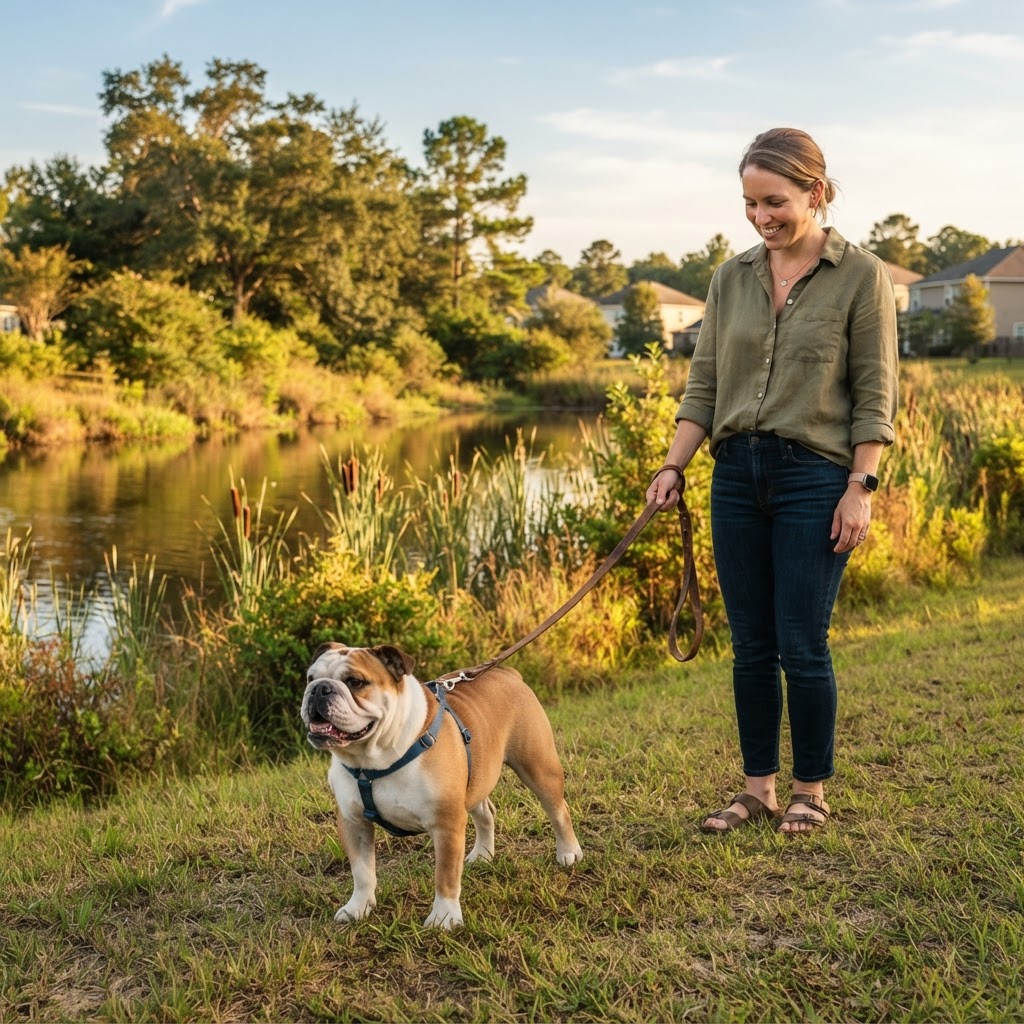
Using a Harness
Harnesses reduce pressure on the neck compared with traditional collars.
Corrective Surgery
For Bulldogs with moderate to severe BOAS, surgery remains the standard treatment. Depending on the dog's anatomy, procedures may widen narrowed nostrils, shorten an elongated soft palate, or address other airway abnormalities. Many Bulldogs enjoy dramatically improved comfort following surgery.
The Research Behind Snoretox-1
The recent excitement centers around a small pilot study involving six British Bulldogs diagnosed with significant BOAS.
Researchers investigated an injectable therapy known as Snoretox-1, which is designed to improve the function of muscles that help support the upper airway.
Unlike Botox—which works by relaxing muscles—this investigational treatment aims to strengthen muscle activity in ways that may help keep the airway more open during breathing.
The early findings were encouraging. Researchers observed measurable improvements in breathing among the participating dogs, with benefits lasting months after treatment in some cases.
Just as important, however, is understanding what the study doesn't tell us.
Six dogs represent a very small sample. Before veterinarians can recommend this treatment more broadly, much larger studies will be needed to answer important questions about safety, effectiveness, ideal candidates, long-term outcomes, and how the treatment compares with existing therapies.
That's exactly how good science should work.
Why This Research Is Still Exciting
Whether or not Snoretox-1 ultimately becomes a routine treatment isn't really the biggest story.
The bigger story is that researchers continue searching for better answers.
For decades, treatment options have focused primarily on surgery and supportive care. Today, veterinary medicine is exploring entirely new approaches that could one day complement existing treatments or provide additional options for selected patients.
Every study—even early ones—helps expand our understanding of Bulldog health.
What Owners Can Do Right Now
While future treatments continue to be studied, there are already several proven ways to improve your Bulldog's quality of life.
- Keep your Bulldog at a healthy weight.
- Exercise during cooler hours.
- Use a properly fitted harness.
- Limit strenuous activity during hot weather.
- Schedule regular veterinary examinations.
- Watch for changes in breathing over time.
- Don't assume worsening breathing is simply "part of getting older."
Small decisions made consistently often have the greatest impact.
Bulldog Owner Takeaway
Research offers hope. Daily care delivers results.
While Snoretox-1 isn't something owners can ask their veterinarian for today, the growing investment in Bulldog-specific research is encouraging.
Every new discovery brings veterinarians closer to helping Bulldogs breathe more comfortably and enjoy healthier, more active lives.
Until then, recognizing early signs of breathing difficulty, maintaining a healthy lifestyle, and working closely with your veterinarian remain the most effective ways to support your Bulldog.
Looking Ahead
English Bulldogs have captured hearts for generations with their unmistakable personalities, resilience, and charm.
They deserve every opportunity to live long, comfortable, and healthy lives.
Whether future breakthroughs come through improved surgery, innovative injectable therapies, better breeding practices, or entirely new discoveries, one thing is becoming increasingly clear:
The future of Bulldog health is moving in the right direction.
For owners everywhere, that's perhaps the most encouraging news of all.
Editorial Note: This article was inspired by reporting from Dogster on emerging research into Snoretox-1. English Bulldog Social independently developed this feature to provide additional breed-specific context, explain BOAS in practical terms, and offer original insights and guidance for English Bulldog owners.